

Discover what photocatalysis is and how it eliminates viruses and bacteria.
What is photocatalysis
Photocatalysis is a chemical process that uses light to activate a catalyst and accelerate a chemical reaction.
This process is particularly interesting because it can be used to degrade pollutants, purify air and water, and even to produce energy. I
n practice, a photocatalyst, often based on materials such as titanium dioxide (TiO₂), absorbs light and generates reactive species (ROS) that can decompose pollutants, such as volatile organic compounds or bacteria.
Photocatalysis is totally safe and effective, especially Phoebe’s solution, which uses natural light.
In fact, Phoebe does NOT use UV light which produces ozone and is therefore harmful over time to human health.
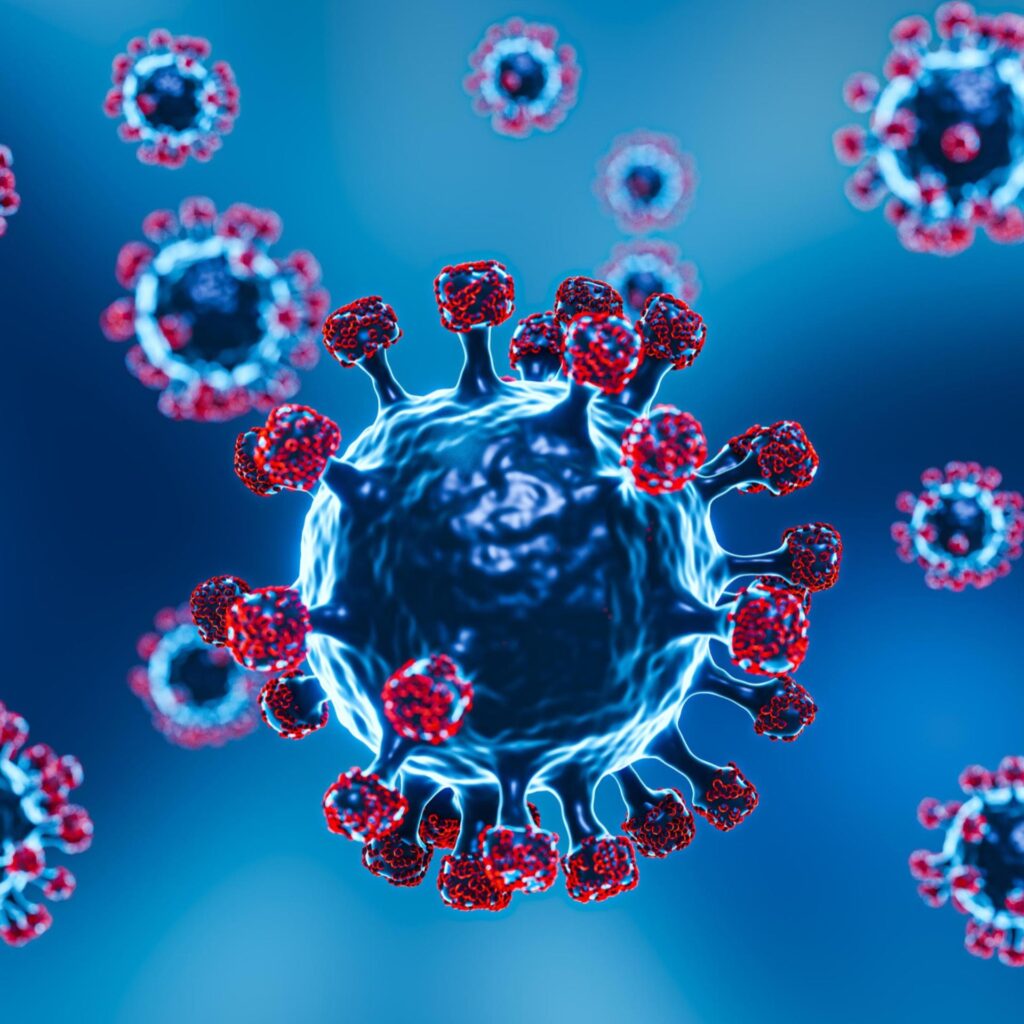
How are viruses broken down through photocatalysis?
The mechanism of viral inactivation occurs through various ways, in particular:
- Damage to the viral external membrane: Many viruses have lipid membrane. ROS, or the reactive species produced by Phoebe photocatalysis, can destroy these lipid membranes, compromising the integrity of the virus and making it non-infectious.
- Nucleic acid damage: ROS can also attack viral genetic material (DNA or RNA), leading to mutations or degradation that prevent the virus from replicating.
- Protein denaturation: Viral proteins, which are essential for the virus’s ability to infect host cells, can be denatured or inactivated by oxidative stress caused by ROS.
All this results in: loss of infectivity: due to these detrimental effects on viral structure and function, the virus becomes inactive and is unable to infect host cells. All this without generating a virus accumulation on the filter!
How are bacteria broken down through photocatalysis?
The mechanism of bacterial inactivation through photocatalysis can occur through:
• Damage to bacterial cells: ROS or reactive species produced by Phoebe photocatalysis, generated can attack various structures within bacterial cells.
• Cell membrane: ROS can disrupt the integrity of the bacterial cell membrane, leading to the leakage of cell contents. DNA damage: ROS can cause oxidative damage to DNA, impairing replication and function.
• Protein denaturation: Proteins within bacteria can be denatured or inactivated due to oxidative stress. Because of these harmful effects, bacteria are unable to survive, replicate, or function properly, eventually leading to their death.