
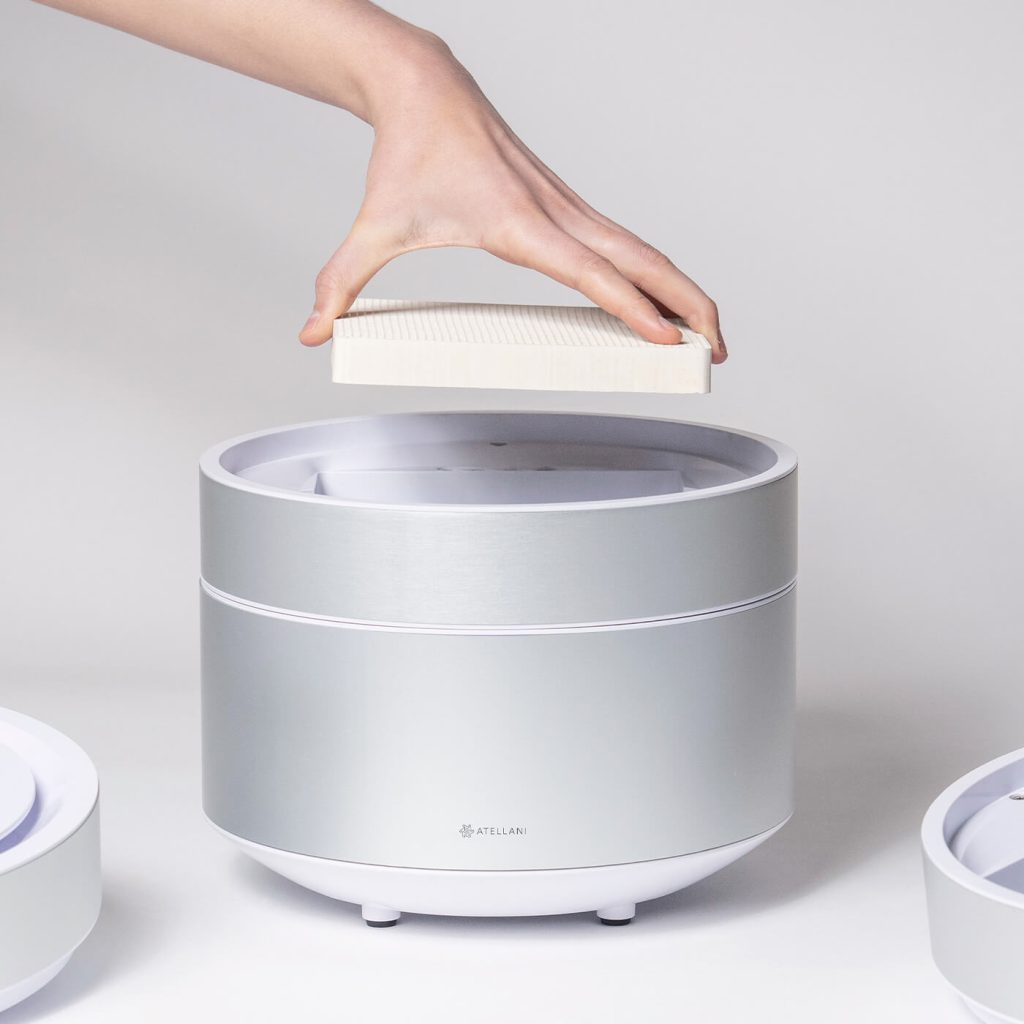
Phoebe, a precise, efficient ceramic heart.
A process that is safe for you and the environment.
Our innovative Phoebe technology is based on a process called photocatalytic oxidation or oxidative photocatalysis.
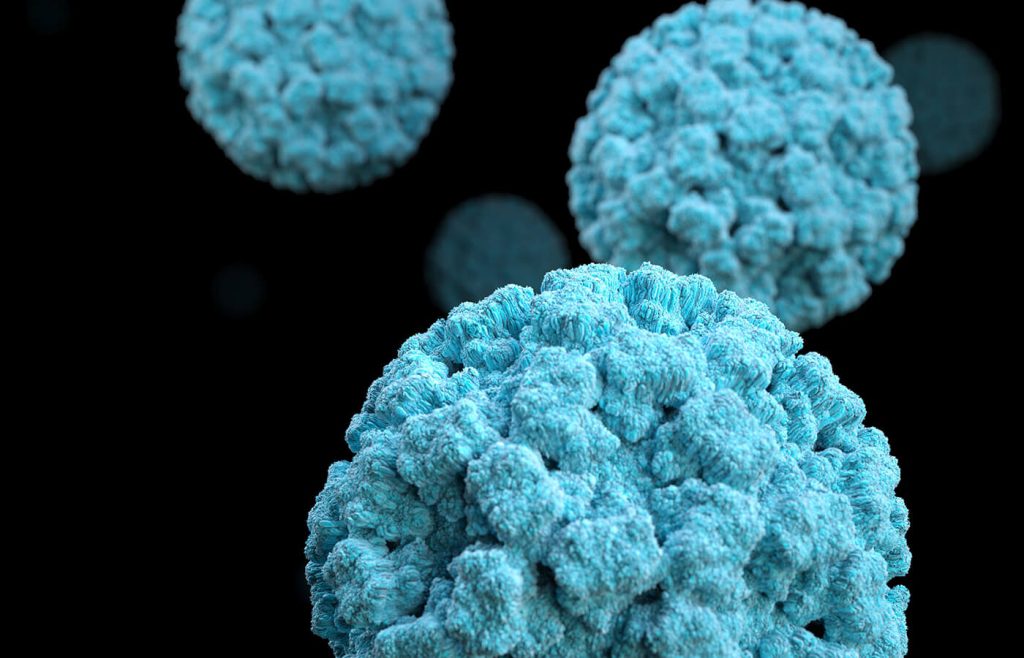
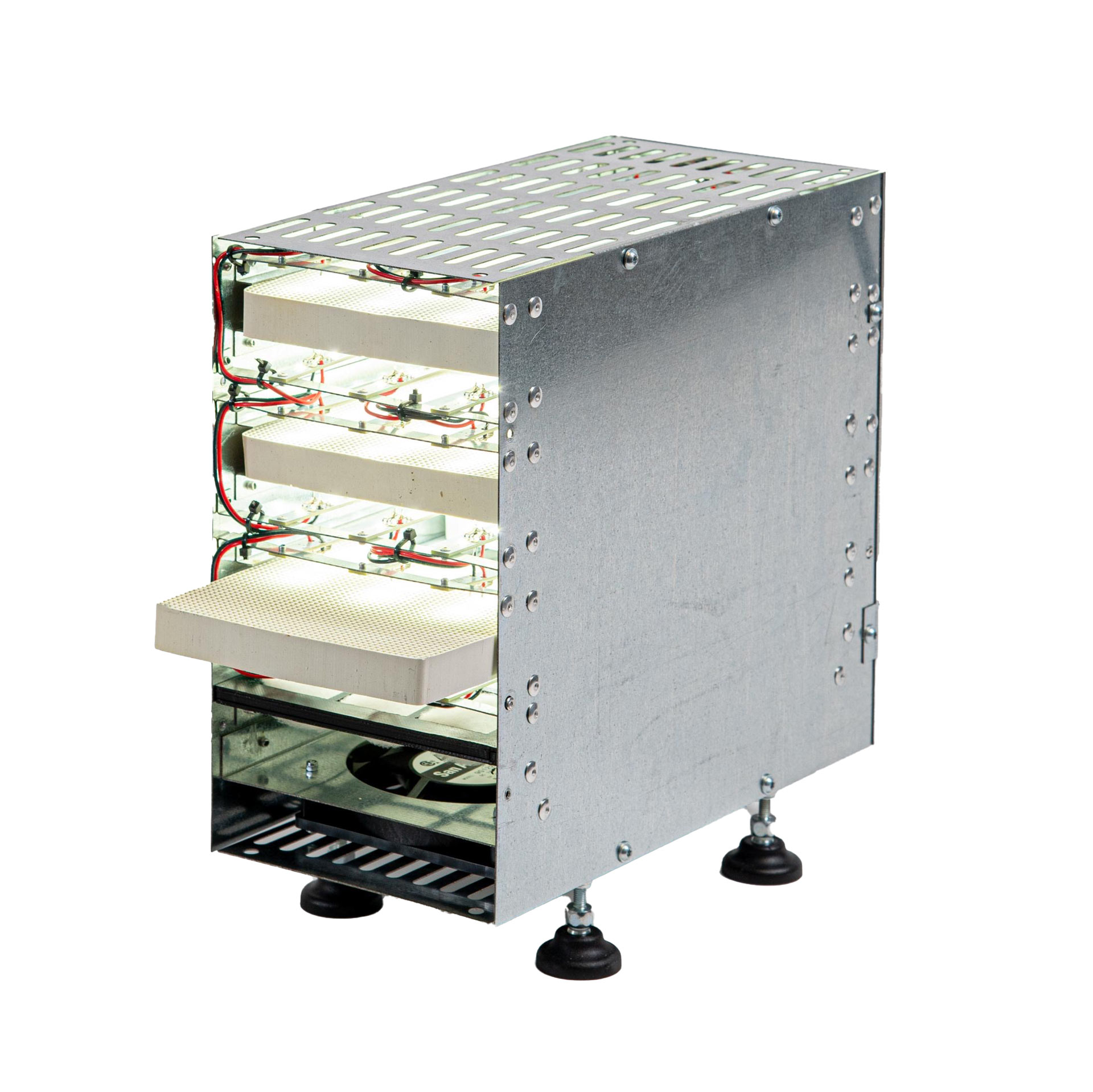
The ceramic filter is heat-treated with titanium dioxide (TiO2), so there is no release of the catalyst into the environment. Titanium dioxide has been modified to act with visible light of an appropriate wavelength, generated by a special LED board. The oxidation that takes place on the surface of the filter attacks polluting molecules of both a chemical and biological nature, breaking their bonds and transforming them into harmless substances.
The real benefits of Phoebe technology, for everyone.
-
![]() Photocatalysis is activated by LEDs with visible light, avoiding the use of UV light and the resulting production of ozone.
Photocatalysis is activated by LEDs with visible light, avoiding the use of UV light and the resulting production of ozone. -
![]() The reaction on the surface of the filter is safe and transforms harmful agents into harmless substances.
The reaction on the surface of the filter is safe and transforms harmful agents into harmless substances. -
![]() Phoebe technology is patented and entirely Made in Italy, sustainable and durable.
Phoebe technology is patented and entirely Made in Italy, sustainable and durable.


Phoebe's effectiveness against pollutants.
Regenerating ceramic filters, truly irreplaceable.
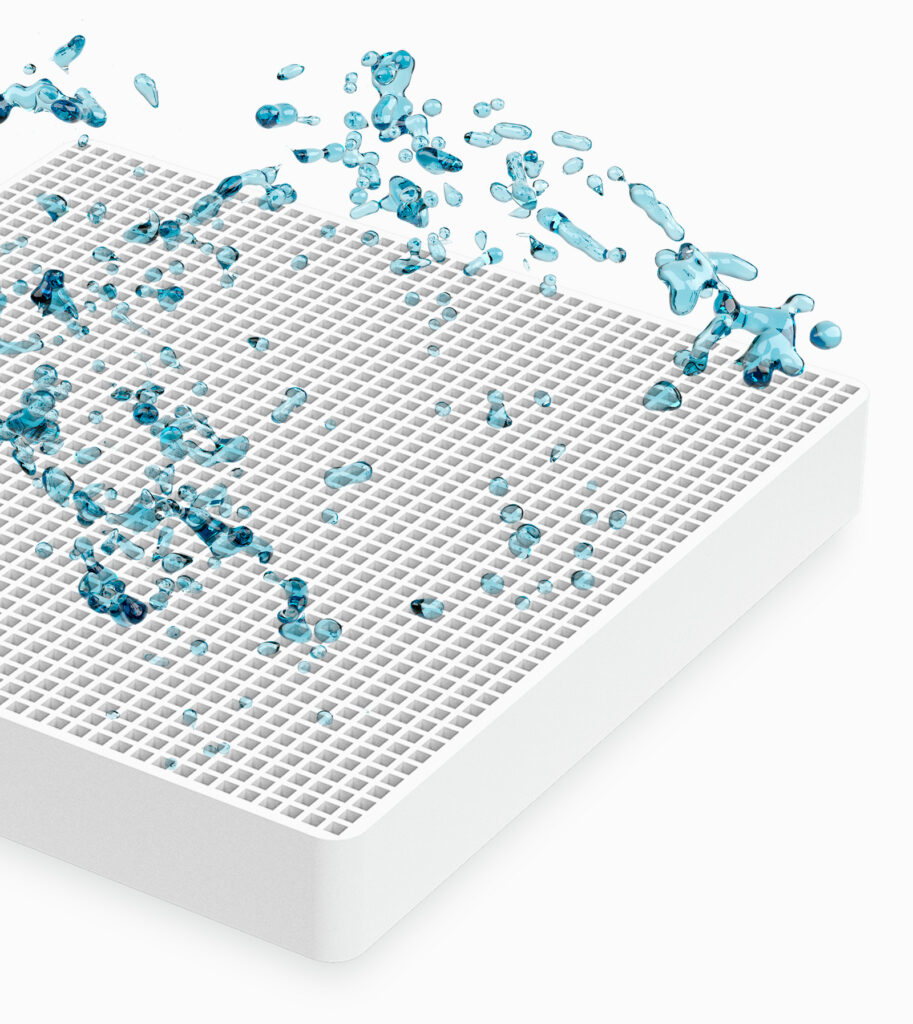
Ceramic filters are the key components of our Phoebe technology. Their specific matrix, to which activated titanium dioxide is permanently heat-fixed, has a precise porosity that allows a very high surface area to be exploited, ensuring exceptional efficiency for a filter of this size.
Our filters have a guaranteed service life of at least 15 years, so there is no need to replace them cyclically. They can be regenerated and restored to their original conditions using only water, thus avoiding the risk of harmful substances accumulating on them over time and additional maintenance costs.
A single filter
-
![]() Service life of at least 15 years.
Service life of at least 15 years. -
![]() Washable with tap water.
Washable with tap water. -
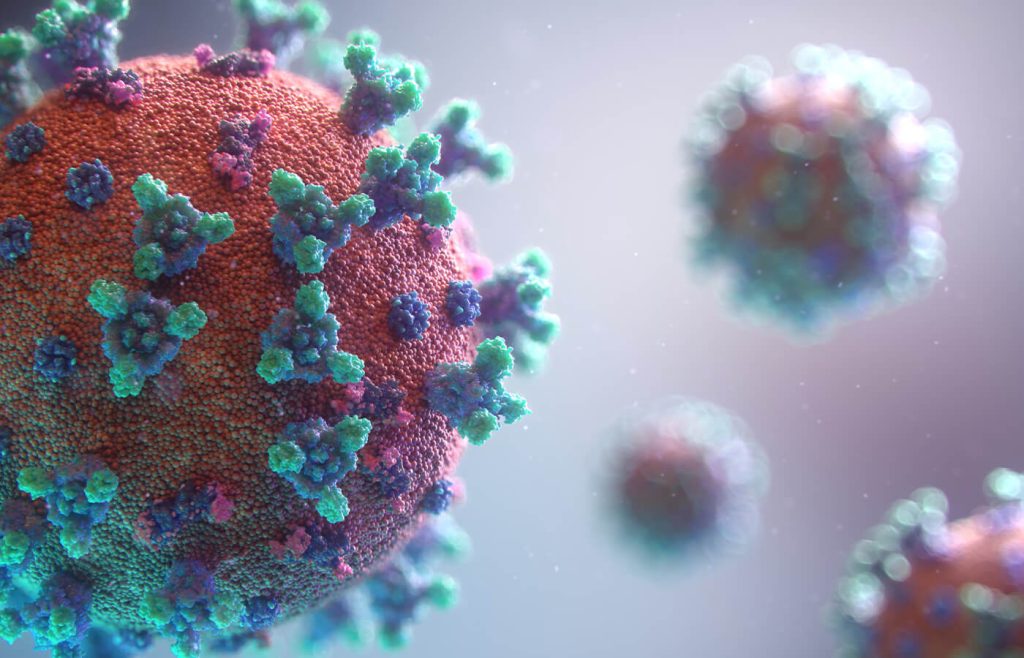
![]() It also neutralises COVID-19 particles.
It also neutralises COVID-19 particles.


Results obtained with Phoebe
 NOx is an abbreviation for “Nitrogen Oxides”, a family of gaseous pollutants that are generally the product of many human activities including primarily combustion, wastewater treatment, extensive agricultural activities and many others. Nitrogen oxides are responsible for chronic health problems, mainly related to the respiratory tract.
Where they occur: mainly in motor vehicle exhaust fumes, emissions from heating system burners (fed by gas, oil and wood pellets) and industrial emissions.
Test procedure: a BRID was placed in a 1 m3 glove box polluted with a concentration of 100 ppb NOx. The test was carried out by continuously measuring the air quality with a Thermo 42 I “Chemoluminescence” instrument with sampling every 10 seconds. This test was carried out by Colorobbia Consulting S.r.l.
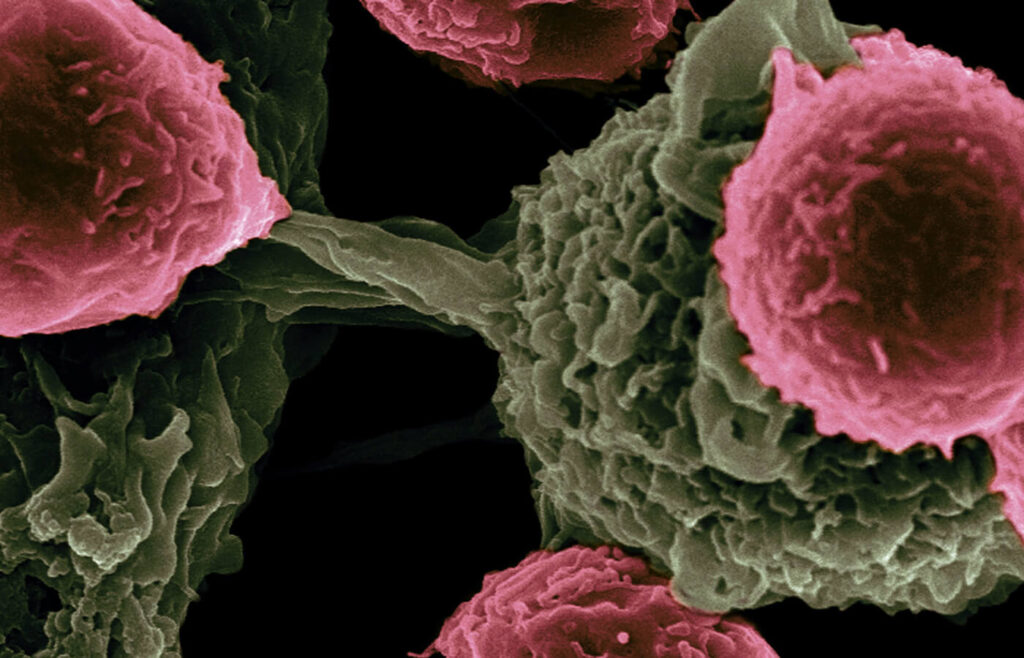
 PM (Particulate matter) is an acronym commonly used to identify airborne particulate matter. This is generally made up of a variety of components including nitrates, sulphates, organic molecules, metals, dust, pollen or fragments and spores. This particulate matter also often conveys bacteria and viruses.
 VOCs (Volatile Organic Compounds) comprise a wide class of hazardous products and are responsible for the majority of indoor pollution.
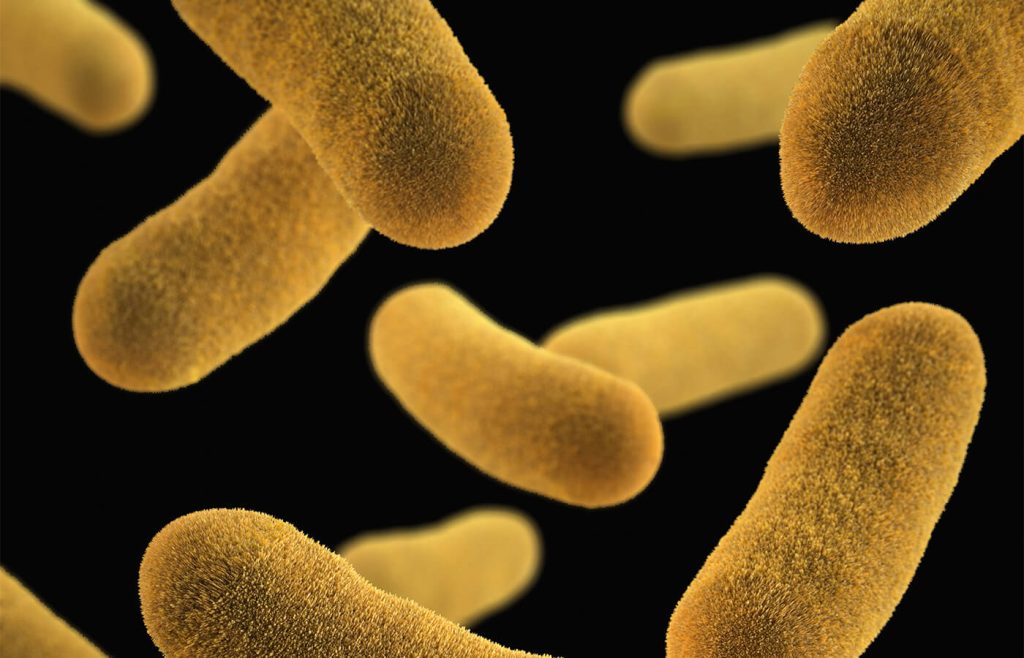
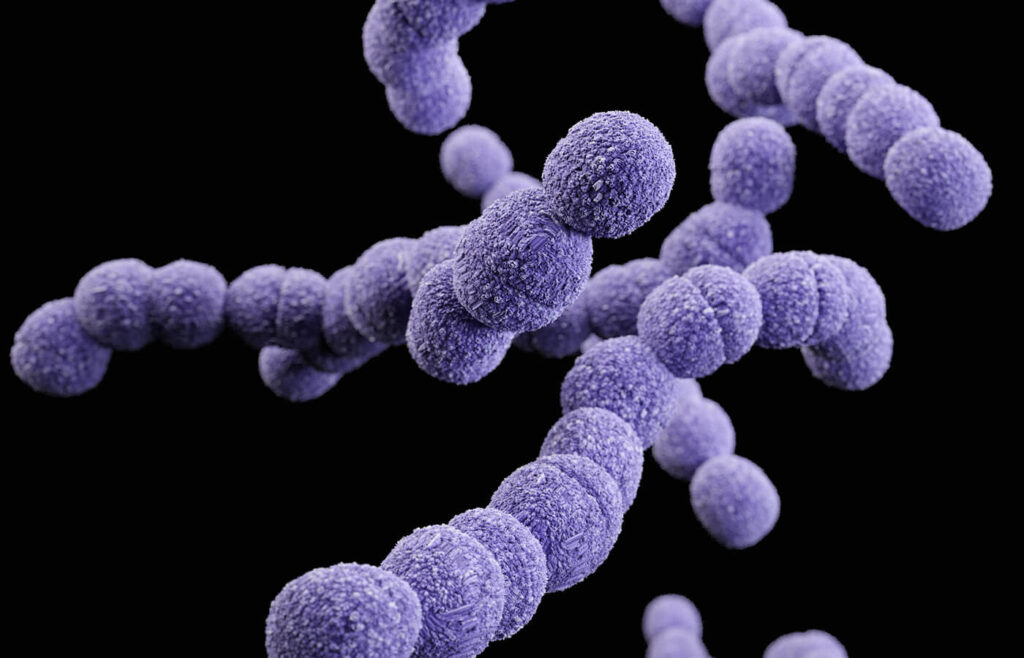
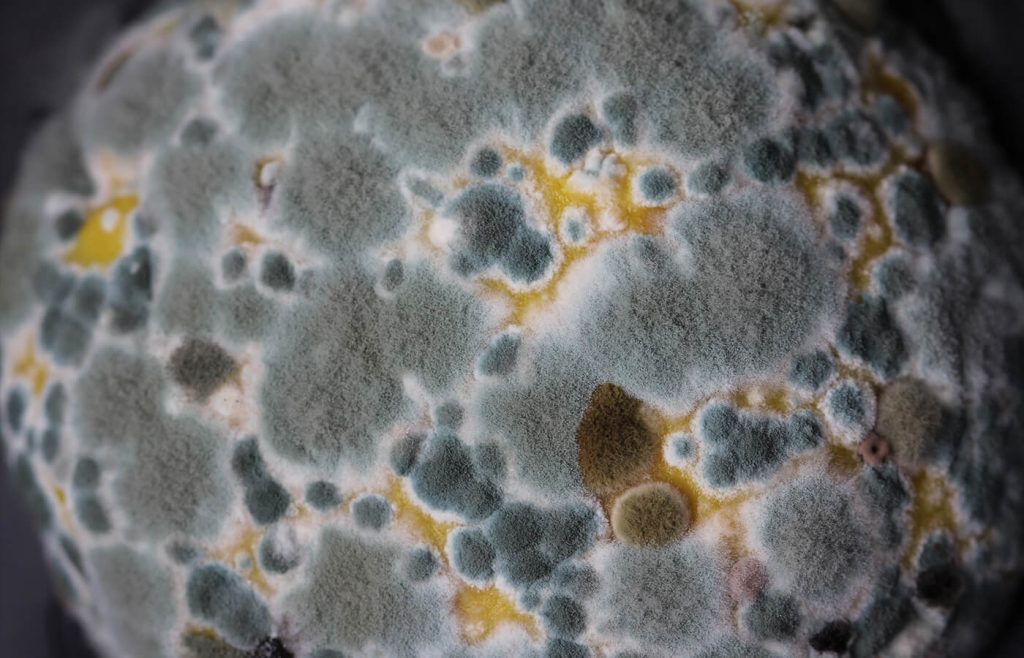
 Bacteria in the environment are numerous and of different types. This is generally referred to as “Total Bioburden”, meaning both the actual bacterial load and the fungal load due to yeasts and moulds. In actual environments the total bioburden also varies during the day and especially as a result of ventilation of the rooms. Unlike HEPA or activated carbon filters, bacteria do not accumulate in the filter, but are attacked and destroyed. As a result, there is no subsequent proliferation on the filters.
We believe in scientific disclosure, which is why we publish our tests and scientific data.
Our solutions are designed for your well-being.
Purify and experience your environment at its best.

 Support Chat